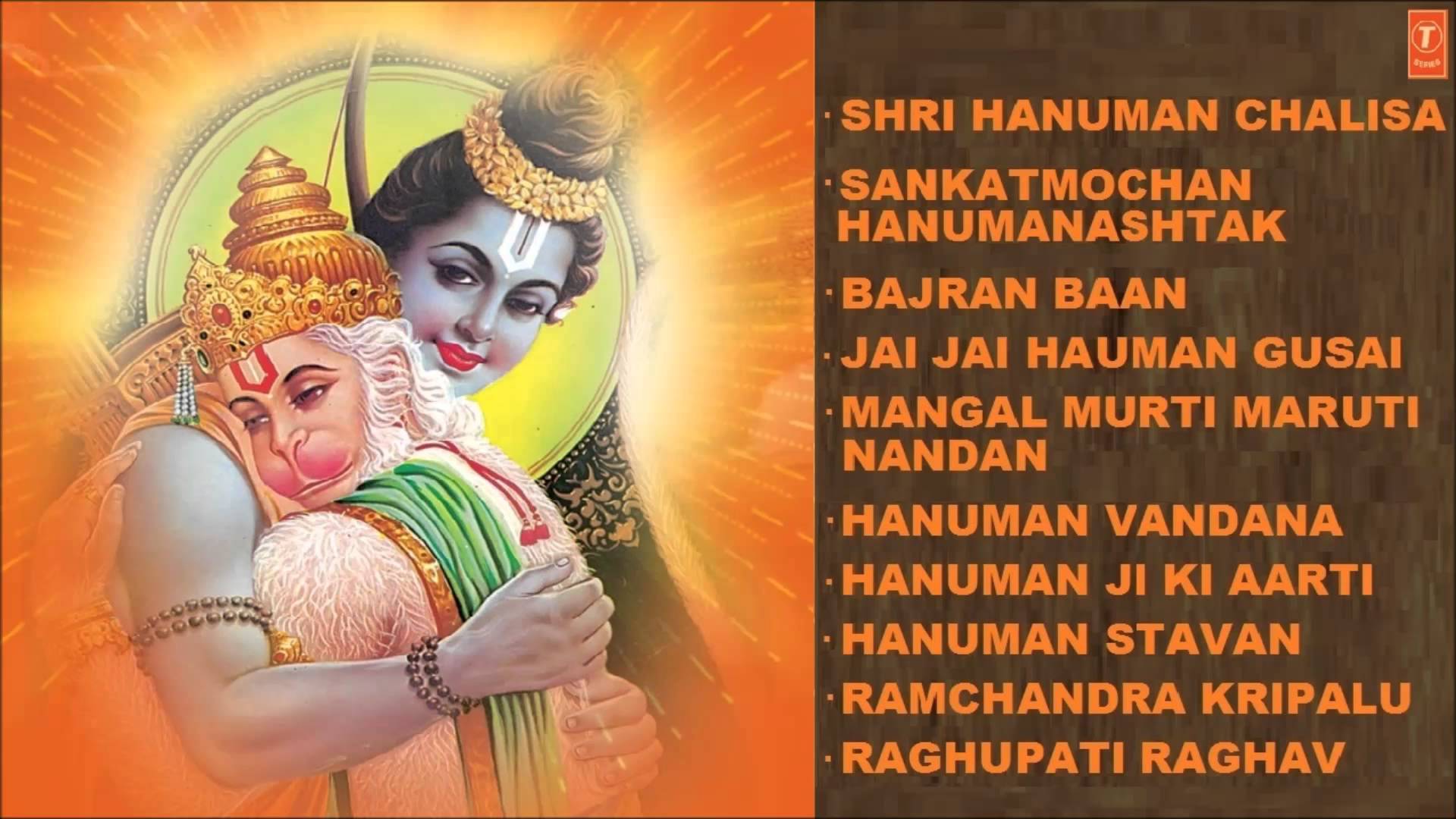
There are not any strict "rules" for studying the Hanuman Chalisa, as it's a devotional hymn and the emphasis is on private devotion and sincerity. However, there are specific practices and guidelines that some people comply with when reading the Hanuman Chalisa. Here are some common suggestions:
Cleanliness: It is usually advised to be in a clear and pure state earlier than reciting any sacred textual content. Some people choose to take a shower or wash their arms and face earlier than starting.
Sacred Space: Choose a quiet and peaceful place for recitation. Some people create a sacred house with an image or idol of Lord Hanuman and other religious gadgets.
Time: While the Hanuman Chalisa can be recited at any time, some individuals choose to recite it in the morning or evening. Tuesday and Saturday are considered auspicious days for Hanuman worship.
Dedication: Begin with a prayer or dedication, expressing your honest devotion and intentions for reciting the Hanuman Chalisa.
Concentration: Try to focus on the that means of the verses as you recite them. https://divinebhakti.in/ can also contemplate reading the English translation to know the significance of every verse.
Regular Practice: Many people make a dedication to recite the Hanuman Chalisa often, such as daily or on specific days of the week. Consistency is usually emphasized.
Counting: Some people use prayer beads (mala) to keep track of the number of occasions they recite the Hanuman Chalisa. Common counts include 11, 21, 31, or 108 times.
Offerings: Some individuals supply flowers, fruits, or other simple offerings to Lord Hanuman earlier than or after reciting the Hanuman Chalisa.
Faith and Devotion: The most necessary facet is to recite with faith, love, and devotion. The Hanuman Chalisa is seen as a powerful prayer when recited with a pure coronary heart.
End with a Prayer: Conclude your recitation with a prayer, expressing gratitude to Lord Hanuman and in search of his blessings.
It's important to note that these practices are based mostly on cultural and religious traditions, and individuals could select to adapt them in accordance with their very own beliefs and preferences. The major emphasis is on sincerity, devotion, and a reference to the religious significance of the Hanuman Chalisa..